
Ultimate Guide to Perfect Vegetable Tian – Tips and Tricks 2025-26
Vegetable Tian is a classic French dish originating from the sun-drenched region of Provence. This vibrant and wholesome recipe features layered seasonal vegetables, aromatic herbs, and a touch of olive oil that brings out the natural sweetness of each ingredient. Not only is it a feast for the eyes, but it’s also nutritious, versatile, and perfect for any occasion, whether as a light main course or an elegant side dish.
In this comprehensive guide, we’ll explore everything you need to know to make the perfect Vegetable Tian: from ingredient selection and step-by-step instructions to serving suggestions, storage tips, and frequently asked questions. By the end, you’ll be ready to impress your family and friends with this colorful and flavorful dish.
Why Vegetable Tian Is a Must-Try Dish
Vegetable Tian is more than just a baked vegetable dish. Here’s why it deserves a spot in your culinary repertoire:
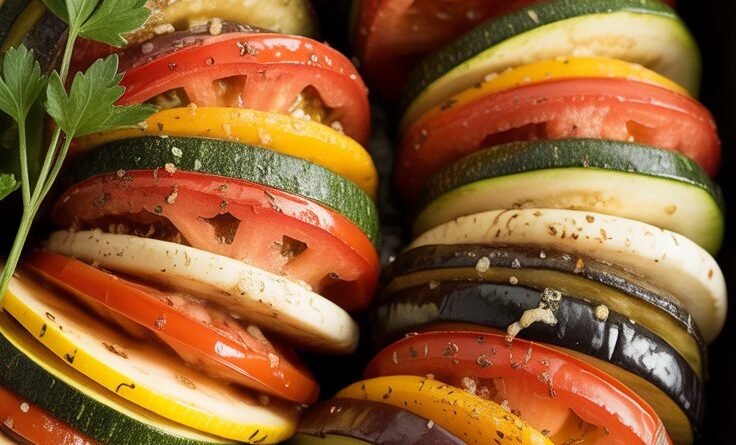
- Aesthetically Pleasing: The neatly arranged layers of zucchini, eggplant, and tomatoes create a beautiful mosaic of colors, perfect for special occasions.
- Healthy & Nutrient-Dense: Packed with vitamins, minerals, and fiber, this dish is low in calories but high in flavor, making it ideal for health-conscious eaters.
- Customizable: You can swap or add vegetables like bell peppers, yellow squash, or carrots, making it a versatile recipe adaptable to every season.
- Make-Ahead Friendly: Slice the vegetables in advance, store them in the fridge, and assemble when needed. This saves time and allows the flavors to meld beautifully.
- Simple Ingredients: With just fresh vegetables, herbs, and olive oil, you can create a sophisticated dish without complicated techniques.
Ingredients: Choosing the Best Produce
The key to a perfect Vegetable Tian lies in fresh, high-quality ingredients. Here’s what you’ll need for a standard 8-serving dish:
- Zucchini – 2 medium: Look for firm zucchinis with a smooth skin. They provide moisture and texture to the dish.
- Eggplant – 2 small: Small, glossy-skinned eggplants have fewer seeds and a milder flavor. Salting the slices beforehand can reduce any bitterness.
- Tomatoes – 3 medium: Ripe, juicy tomatoes bring natural sweetness. Heirloom or vine-ripened tomatoes work best.
- Fresh Thyme – 2 tablespoons: Adds a delicate earthy aroma. Other herbs like rosemary or oregano can be used for variation.
- Extra Virgin Olive Oil – 3 tablespoons: Enhances flavor and helps caramelize the vegetables.
- Salt & Pepper – to taste: Essential for balancing flavors.
Optional Ingredients for Enhancement:
- Garlic slices between layers for subtle depth.
- A sprinkle of grated Parmesan or Gruyère for richness.
- Fresh basil for garnish at the end.
Step-by-Step Instructions for Making Vegetable Tian
Step 1: Preheat the Oven
Set your oven to 375°F (190°C). Preheating ensures the vegetables cook evenly and caramelize slightly on top without burning.
Step 2: Prepare Your Vegetables
- Wash all vegetables thoroughly.
- Slice zucchini, eggplant, and tomatoes into thin, uniform rounds (about 1/8–1/4 inch thick) for even cooking.
- Optional: Sprinkle eggplant slices with salt and let sit for 15 minutes to draw out bitterness. Pat dry before layering.
Step 3: Arrange the Vegetables
- Drizzle a small amount of olive oil on the bottom of a baking dish.
- Arrange the vegetables vertically in an alternating pattern: zucchini → tomato → eggplant. Continue until the dish is filled.
- For variation, add other seasonal vegetables such as yellow squash, bell peppers, or thin carrot slices.
Step 4: Season Generously
- Sprinkle fresh thyme, salt, and pepper evenly over the vegetables.
- Drizzle more olive oil on top to enhance flavor and moisture.
- Optional: Insert garlic slices between layers for aromatic depth.
Step 5: Bake the Tian
- Cover the baking dish with aluminum foil and bake for 35 minutes.
- Remove the foil and bake for an additional 15 minutes, allowing the vegetables to caramelize lightly on top.
- Test doneness by piercing the vegetables with a fork—they should be tender but not mushy.
Step 6: Serve and Garnish
- Let the Vegetable Tian cool slightly before slicing.
- Serve as a side dish with grains, roasted meats, or crusty bread, or enjoy as a vegetarian main course.
- Garnish with fresh herbs like basil or parsley for extra color and flavor.
Tips for Perfect Layering and Flavor
- Uniform Slicing: Ensure all vegetables are cut to similar thickness for even baking.
- Layer Strategically: Denser vegetables like eggplant should be placed at the bottom, while lighter vegetables such as zucchini stay on top.
- Herbs and Seasoning: Use fresh herbs for maximum flavor. Sprinkle salt and pepper between layers rather than only on top.
- Olive Oil: Drizzle generously between layers to prevent dryness and aid in caramelization.
- Marination Option: For enhanced flavor, marinate vegetables in olive oil, garlic, and herbs for 30 minutes before layering.
Serving Suggestions
Vegetable Tian pairs beautifully with:
- Grains: Serve alongside rice, quinoa, or couscous to soak up the flavors.
- Proteins: Compliments grilled chicken, fish, or roasted meats.
- Bread: Crusty baguettes or sourdough bread help enjoy every bit of the flavorful juices.
- Salads: A crisp green salad balances the richness of the dish.
Storage, Make-Ahead, and Reheating
- Make-Ahead: Slice vegetables and store in an airtight container in the fridge for up to 2 days. Assemble and bake when needed.
- Leftovers: Store in the fridge for 3–4 days. Keep airtight to maintain freshness.
- Reheating: Cover with foil and reheat at 350°F (175°C) for 15–20 minutes. This preserves texture and flavor.
- Freezing: Not recommended for best texture, but baked tian can be frozen; thaw overnight in the fridge and reheat in the oven.
Nutritional Information (Per Serving)
- Calories: 110 kcal
- Carbohydrates: 10g
- Protein: 2g
- Fat: 7g (6g unsaturated)
- Fiber: 3g
- Sugar: 5g
- Cholesterol: 0mg
- Sodium: 220mg
Note: Values may vary depending on vegetable size and oil quantity.
Frequently Asked Questions (FAQs)
Q1: Can I prepare Vegetable Tian ahead of time?
Yes, you can slice the vegetables a day in advance. Store in an airtight container in the fridge and assemble before baking.
Q2: Can I freeze Vegetable Tian?
While possible, freezing may affect the texture. For best results, enjoy fresh or refrigerate for up to 4 days.
Q3: What other vegetables can I use?
Yellow squash, bell peppers, carrots, or fennel are excellent additions. Mix and match based on seasonality.
Q4: Can I make it vegan or gluten-free?
Absolutely! This recipe is naturally vegan and gluten-free. Cheese is optional and can be omitted.
Q5: How do I enhance the flavor?
Use fresh herbs, drizzle high-quality olive oil, and optionally add garlic or cheese between layers. Marinating vegetables before baking intensifies flavor.
Advanced Techniques for Culinary Excellence
- Overnight Marination: Toss sliced vegetables with olive oil, thyme, and garlic overnight to allow flavors to fully penetrate.
- Roasting Variations: Sear vegetables in a skillet before layering to add smoky depth.
- Cheese Layering: Sprinkle thin layers of Parmesan or Gruyère between vegetables for a creamy, savory finish.
- Breadcrumb Topping: Mix breadcrumbs with olive oil and herbs, sprinkle on top, and bake for a crunchy golden crust.
Tips for Choosing the Best Vegetables
- Shop at local farmers’ markets for fresh, seasonal produce.
- Choose vegetables that are firm, brightly colored, and free of blemishes.
- Smaller eggplants and medium zucchinis usually yield the best texture.
- Avoid overripe tomatoes—they can release too much water and make the dish soggy.
Conclusion
Creating a delicious Vegetable Tian is a blend of art and technique. By focusing on fresh ingredients, proper layering, careful seasoning, and precise baking, you can transform simple vegetables into a show-stopping dish. With its vibrant colors, nutrient-rich profile, and versatile serving options, this recipe is perfect for both weeknight dinners and elegant gatherings.
Whether enjoyed as a light main course, a side dish, or an impressive entrée for guests, Vegetable Tian is a timeless recipe that celebrates the flavors of the season while remaining easy, healthy, and satisfying.
With these tips, techniques, and step-by-step instructions, you are fully equipped to make a perfectly baked Vegetable Tian that is both delicious and visually stunning every time.
