
The Complete Rassolnik Recipe: From Ingredients to Perfect Soup 2025-26
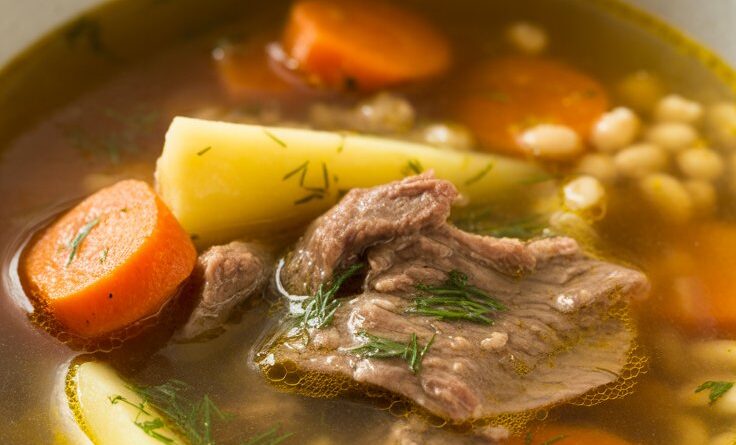
Beef, Barley and Pickle Soup, known as Rassolnik, is one of the most iconic traditional soups of Russian cuisine. This hearty dish combines tender chunks of beef, nutty pearl barley, and the tangy zest of dill pickles to create a rich, comforting flavor that warms the soul. Popular for centuries, Rassolnik has been a staple in Russian homes, especially during the long, cold winters, and continues to be celebrated worldwide for its unique balance of flavors and nourishing qualities.
In this comprehensive guide, we will explore every aspect of Rassolnik: from its history and cultural significance to ingredient selection, step-by-step cooking techniques, variations, health benefits, storage tips, and more. By the end of this guide, you will have all the tools needed to create an authentic, delicious bowl of Rassolnik that rivals even the most seasoned Russian cooks.
Table of Contents
- Introduction: What Makes Rassolnik Special
- The History and Cultural Significance of Rassolnik
- Key Ingredients and Their Role in Flavor
- Step-by-Step Cooking Instructions
- Tips for Perfect Beef, Barley and Pickle Soup
- Variations and Creative Twists
- Nutritional Benefits of Rassolnik
- Common Mistakes to Avoid
- Storage, Freezing, and Reheating
- Serving Suggestions and Pairings
- Frequently Asked Questions (FAQs)
- Conclusion: Mastering the Art of Rassolnik
1. Introduction: What Makes Rassolnik Special
Rassolnik is not just another soup—it is a culinary experience that embodies comfort, tradition, and balance of flavors. Its signature tangy taste comes from the brine of dill pickles, which perfectly complements the richness of beef and the earthiness of barley. The soup is known for being hearty enough to serve as a full meal while providing a warming sensation that is perfect for cold weather.
Unlike generic soups, Rassolnik offers a unique flavor profile that combines umami, sourness, and slight sweetness. This complexity makes it stand out among other beef soups and keeps people coming back for more. It is also extremely versatile: you can serve it with bread, rice, or enjoy it on its own as a filling, nutritious dish.
2. The History and Cultural Significance of Rassolnik
Rassolnik has deep roots in Russian culinary tradition, dating back to the 17th century. It was initially prepared by Russian peasants using available preserved ingredients, such as pickled cucumbers and leftover meats. The use of pickles in soups was a practical solution for adding flavor during the long winters when fresh vegetables were scarce.
Historically, Rassolnik was often served during festive occasions as well as daily meals. In Russian culture, it represents resourcefulness and warmth, as it brings families together around the dinner table. Over time, the soup evolved into various regional variations, with some adding kidney, chicken, or even mushrooms, yet the classic beef, barley, and pickle combination remains the most beloved.
3. Key Ingredients and Their Role in Flavor
Every ingredient in Rassolnik contributes to the soup’s overall balance and character:
Beef (Chuck or Brisket)
- Provides a rich, meaty base.
- Slow simmering makes it tender and flavorful.
- Avoid tough cuts like round or flank steak as they require longer cooking times and may remain chewy.
Pearl Barley
- Adds nuttiness and chewy texture.
- Rich in fiber, aiding digestion.
- Soaking barley beforehand ensures even cooking and a creamy consistency.
Dill Pickles
- Give the soup its signature tang.
- Add complexity without overpowering other flavors.
- Use firm, low-sugar pickles and chop them toward the end of cooking to retain crunch.
Vegetables (Onions, Carrots, Potatoes)
- Onions add sweetness and aroma.
- Carrots contribute a natural sweetness and color.
- Potatoes enhance heartiness and create a satisfying texture.
Beef Broth
- Forms the flavorful base.
- Low-sodium broth allows you to control the salt level.
Herbs and Spices
- Fresh dill or parsley for garnish.
- Bay leaves, peppercorns, or garlic can enhance depth without overwhelming the soup.
4. Step-by-Step Cooking Instructions
Preparation
- Chop vegetables: onions, carrots, and potatoes into uniform pieces.
- Cut beef into bite-sized chunks.
- Rinse pearl barley thoroughly under cold water.
Cooking
- Brown the Beef: In a large pot, heat 2 tablespoons of oil over medium-high heat. Add beef chunks and brown on all sides (5–7 minutes).
- Sauté Vegetables: Add onions and carrots to the beef. Cook until softened, about 4–5 minutes.
- Add Broth and Barley: Pour in 4 cups of beef broth and add rinsed barley. Bring to a boil, then reduce heat to low and simmer for 1 hour.
- Incorporate Potatoes and Pickles: Add diced potatoes and chopped pickles. Simmer an additional 20–30 minutes until all ingredients are tender.
- Adjust Seasoning: Taste and add salt and pepper as needed. Garnish with fresh dill or parsley.
5. Tips for Perfect Beef, Barley and Pickle Soup
- Use high-quality beef: This ensures tenderness and flavor.
- Don’t overcook pickles: Add them toward the end to maintain texture.
- Soak barley: Helps achieve even cooking and creamy texture.
- Control salt: Pickles and broth are naturally salty; taste as you go.
- Simmer slowly: Low heat enhances flavor and tenderizes meat.
6. Variations and Creative Twists
- Chicken Rassolnik: Substitute beef with chicken for a lighter version.
- Vegetarian Rassolnik: Use vegetable broth, mushrooms, and beans.
- Spicy Rassolnik: Add a pinch of smoked paprika or chili flakes.
- Herb Infusion: Experiment with thyme, bay leaves, or rosemary.
7. Nutritional Benefits of Rassolnik
Rassolnik is not just delicious—it’s nutritious:
- Protein: Beef provides high-quality protein for muscle repair.
- Fiber: Barley aids digestion and keeps you full longer.
- Vitamins and Minerals: Vegetables supply vitamins A, C, and potassium.
- Low Fat: Using lean cuts and minimal oil keeps fat content moderate.
8. Common Mistakes to Avoid
- Using tough beef cuts without proper simmering.
- Skipping the soaking or rinsing of barley.
- Overcooking pickles, which lose their crunch.
- Ignoring seasoning adjustments during cooking.
9. Storage, Freezing, and Reheating
- Refrigeration: Store in airtight containers for up to 3 days.
- Freezing: Portion into freezer-safe bags for up to 3 months.
- Reheating: Gently simmer on medium heat until warm. Avoid microwaving to preserve texture.
10. Serving Suggestions and Pairings
- Serve with crusty bread or garlic toast.
- Pair with a light salad for freshness.
- Add sour cream for richness.
- Enjoy as a main dish or a starter for a larger meal.
11. Frequently Asked Questions (FAQs)
Q: Can I make Rassolnik ahead of time?
Yes, prepare beef, barley, and broth a day in advance. Chop pickles just before serving.
Q: Can I use other pickles?
Bread-and-butter pickles add sweetness, but dill is classic.
Q: Is Rassolnik gluten-free?
Traditional barley contains gluten; use gluten-free grains like buckwheat if needed.
Q: How can I make it spicier?
Add chili flakes, smoked paprika, or a dash of hot sauce.
Q: Can I use leftover beef?
Yes, it works well and shortens cooking time.
12. Conclusion: Mastering the Art of Rassolnik
Beef, Barley and Pickle Soup (Rassolnik) is a celebration of flavor, tradition, and comfort. With the right ingredients, proper cooking techniques, and attention to detail, you can create a soup that is hearty, satisfying, and uniquely Russian. Experiment with variations, garnish creatively, and enjoy this timeless dish with family and friends.
By following this guide, you now have everything you need to make authentic, flavorful Rassolnik that will impress even the most discerning palates.
