
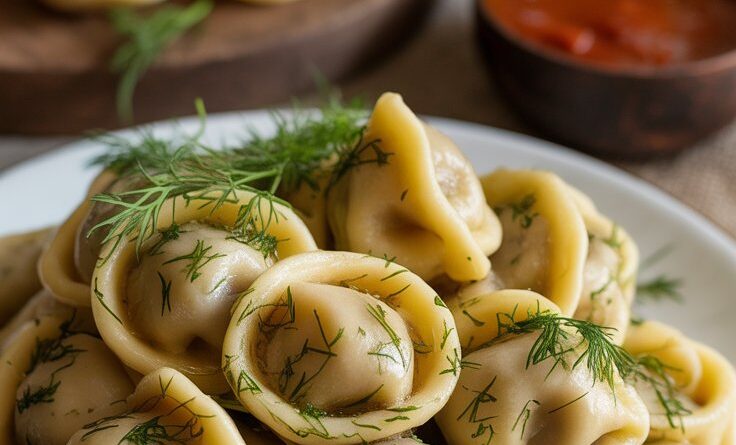
Homemade Russian Pelmeni: A Family-Friendly Recipe 2025-26
Russian Pelmeni are more than just dumplings—they are a culinary symbol of warmth, comfort, and tradition. Originating from Siberia, Pelmeni have been a staple of Russian households for centuries. Traditionally, they were made in large batches before winter and frozen for long-term storage, making them both practical and delicious. These tender dumplings are filled with a mixture of minced meat and spices, enveloped in a delicate, thin dough that cooks quickly in boiling water.
Over the years, Pelmeni have transcended their Siberian roots and become a beloved dish worldwide. Their versatility allows for endless variations, from classic beef and pork fillings to vegetarian options featuring mushrooms or potatoes. Whether served during festive gatherings or as a weeknight dinner, Pelmeni bring warmth and satisfaction to any table.
Why You’ll Love This Recipe
This recipe is designed for both beginners and seasoned cooks. Here’s why it stands out:
- Easy to Follow: Step-by-step instructions ensure even novice cooks can succeed.
- Versatile Flavors: Customize the filling with your preferred meats, vegetables, and herbs.
- Quick Cooking: Once prepared, Pelmeni cook in just a few minutes.
- Perfect for Any Occasion: Suitable for casual dinners, festive meals, or batch cooking for later.
By mastering this recipe, you’ll not only enjoy a delicious meal but also gain confidence in handling traditional Russian cuisine.
Ingredients for Perfect Pelmeni
For the Dough
- 4 cups all-purpose flour
- 2 large eggs
- 1 cup lukewarm water
- 1 teaspoon salt
For the Classic Filling
- 1 pound ground beef or pork (or a mix)
- 1 finely chopped onion
- Salt to taste
- Freshly ground black pepper to taste
Optional Additions
- 1 teaspoon fresh dill, finely chopped
- 1 teaspoon parsley, finely chopped
- Mushrooms, grated potatoes, or cheese for vegetarian variations
Step-by-Step Instructions
1. Preparing the Dough
- In a large mixing bowl, combine the flour and salt.
- Create a well in the center and crack in the eggs.
- Gradually add lukewarm water while mixing with your hands until a shaggy dough forms.
2. Kneading and Resting
- Transfer the dough onto a lightly floured surface.
- Knead for 8–10 minutes until the dough is smooth and elastic.
- Wrap the dough in plastic wrap and let it rest for at least 30 minutes to allow gluten to develop, ensuring easy rolling later.
3. Making the Filling
- In a medium bowl, combine ground meat, finely chopped onion, salt, and pepper.
- Add optional herbs or vegetables if desired.
- Mix thoroughly until all ingredients are evenly combined.
4. Rolling Out the Dough
- Divide rested dough into quarters.
- Roll one portion at a time on a floured surface into a thin sheet.
- Keep remaining dough covered to prevent drying out.
5. Cutting and Filling Dumplings
- Use a round cutter (about 3 inches in diameter) to cut circles from the dough.
- Place approximately 1 teaspoon of filling in the center of each circle.
6. Sealing Pelmeni
- Fold the dough over the filling to create a half-moon shape.
- Pinch the edges tightly to ensure the filling does not escape during cooking.
7. Cooking Pelmeni
- Bring a large pot of salted water to a boil.
- Add Pelmeni in batches to avoid overcrowding.
- Cook for 5–7 minutes, or until they float to the surface.
- Remove with a slotted spoon and serve immediately.
Tips and Tricks for Perfect Pelmeni
- Dough Consistency: If sticky, add a small amount of flour gradually. Dough should be soft but elastic.
- Filling Moisture: Ensure the filling is moist but not watery; excess liquid can make dumplings soggy.
- Batch Freezing: Arrange uncooked Pelmeni on a baking sheet and freeze individually before storing in freezer bags.
- Cooking Precision: Avoid overcooking; Pelmeni should remain tender without falling apart.
- Flavor Enhancement: Mix fresh dill or parsley into the filling for added freshness and aroma.
Serving Suggestions
- Traditional: Serve with sour cream or melted butter and sprinkle with fresh herbs.
- In Broth: Add cooked Pelmeni to a light vegetable or chicken broth for a comforting soup.
- Vegetarian Options: Serve mushroom or potato-filled Pelmeni with garlic butter and parsley.
- Extra Touch: Sprinkle paprika or drizzle with vinegar for an authentic Russian twist.
Nutrition and Health Benefits
A serving of six Pelmeni (approx. 150g) contains:
- Calories: 350 kcal
- Protein: 18g
- Carbohydrates: 40g
- Fat: 15g
- Saturated Fat: 5g
- Fiber: 2g
- Cholesterol: 70mg
- Sodium: 600mg
Tip: Use lean meats and whole wheat flour for a lighter, healthier version without compromising flavor.
Make-Ahead and Storage
- Make-Ahead: Prepare dough and filling up to one day in advance. Keep dough wrapped tightly in plastic wrap and refrigerated.
- Freezing: Arrange uncooked Pelmeni individually on a baking sheet, freeze, then transfer to freezer bags. Can be stored up to 3 months.
- Reheating: Boil directly from frozen for 6–8 minutes or steam cooked leftovers for 5 minutes.
Frequently Asked Questions (FAQs)
1. What are Pelmeni made of?
Pelmeni are dumplings made from a simple dough of flour, eggs, and water, filled traditionally with minced meat, onion, and seasoning.
2. Can I freeze uncooked Pelmeni?
Yes! Freeze individually on a baking sheet, then store in freezer bags. Boil directly from frozen when ready.
3. Can I make vegetarian Pelmeni?
Absolutely. Use mushrooms, potatoes, cheese, or a mix of vegetables. Ensure filling is moist but not watery.
4. How should I serve Pelmeni?
Traditionally with sour cream or butter. You can also serve in broth, with vinegar, or sprinkle fresh herbs for extra flavor.
5. How long do Pelmeni last in the fridge?
Cooked Pelmeni can be refrigerated in an airtight container for up to 3 days.
Cultural Significance of Pelmeni
Pelmeni are more than just food in Russia—they represent family traditions and communal cooking. In Siberia, families would gather to prepare hundreds of dumplings at once, storing them frozen for harsh winters. Today, they are a symbol of Russian hospitality and comfort, often served during holidays and family gatherings.
Conclusion
Mastering Russian Pelmeni combines technique, patience, and creativity. By selecting the right dough, preparing a flavorful filling, and cooking with care, you can enjoy tender, delicious dumplings that impress everyone. Whether enjoyed fresh, frozen, or in broth, Pelmeni offer endless possibilities for culinary exploration. Embrace the tradition, experimtent with fillings, and elevate your dining table with this iconic Russian dish.
