

Easy Irish Soda Bread Recipe Using Simple Pantry Ingredients 2026
Irish soda bread is one of the most beloved traditional breads in the world, known for its simplicity, rustic charm, and comforting flavor. This Easy Irish Soda Bread Recipe is designed to be approachable for beginners while still offering depth, technique, and insight for experienced home bakers. Unlike yeast breads that require long proofing times and precise temperature control, soda bread relies on a simple chemical reaction between baking soda and an acidic liquid, making it fast, reliable, and wonderfully forgiving.
What Makes Irish Soda Bread Special?
Irish soda bread stands apart from most breads because it reflects necessity rather than luxury. Historically, it emerged in Ireland during the 19th century when yeast was expensive and unreliable. Households relied on basic pantry staples: flour, salt, baking soda, and sour milk or buttermilk. These ingredients were accessible, affordable, and produced consistent results even in rural kitchens without ovens.
What makes this bread special today is its honesty. There is no long fermentation, no complex shaping, and no advanced equipment required. The flavor is clean and slightly tangy, the crust is firm but not hard, and the crumb is tender yet hearty. It is bread in its purest form—simple, practical, and deeply satisfying.
Why This Easy Irish Soda Bread Recipe Works
This recipe is carefully balanced to produce a loaf that is:
- Easy to prepare with minimal tools
- Reliable in different kitchen environments
- Balanced in flavor without bitterness
- Soft inside with a well-formed crust
- Suitable for breakfast, lunch, or dinner
The measurements, baking temperature, and handling techniques are optimized to reduce common errors such as dense texture, excessive crumbliness, or uneven baking. This approach ensures consistent results whether you are baking for the first time or the fiftieth.
Ingredients Explained (Why Each One Matters)
Understanding your ingredients is key to baking better bread. Below is a detailed explanation of each component in Irish soda bread and how it affects the final result.
All-Purpose Flour
All-purpose flour provides the structure of the bread. Its moderate protein content allows the loaf to hold its shape without becoming chewy or tough. Bread flour is not recommended, as it develops too much gluten and makes the crumb dense.
Baking Soda
Baking soda is the sole leavening agent. When it reacts with acid, it releases carbon dioxide, which creates lift in the dough. Fresh baking soda is essential—old soda will result in a flat, heavy loaf.
Salt
Salt enhances flavor and balances the natural tang from the buttermilk. It also slightly strengthens the dough structure. Skipping salt results in bland bread, even if the texture is correct.
Buttermilk
Buttermilk provides acidity and moisture. Its tangy flavor is essential to authentic Irish soda bread. If buttermilk is unavailable, regular milk mixed with vinegar or lemon juice is an effective substitute.
Butter (Optional)
Traditional Irish soda bread often contains no fat. However, a small amount of melted butter adds richness and softness without overpowering the classic character of the loaf.
Equipment You Will Need
One of the strengths of this recipe is that it requires very little equipment:
- Large mixing bowl
- Whisk or fork
- Measuring cups and spoons
- Baking sheet or cast-iron skillet
- Parchment paper (optional)
- Sharp knife for scoring
No stand mixer, bread machine, or special tools are required.
Step-by-Step Instructions (Detailed and Foolproof)
Step 1: Preheat the Oven
Preheat your oven to 425°F (220°C). A hot oven is essential for proper rise and crust development. Soda bread depends on immediate heat to activate the leavening reaction.
Step 2: Prepare the Baking Surface
Line a baking sheet with parchment paper or lightly grease it. Alternatively, a preheated cast-iron skillet can be used for a deeper crust and rustic appearance.
Step 3: Combine Dry Ingredients
In a large bowl, whisk together the flour, baking soda, and salt. This ensures even distribution and prevents bitter pockets of baking soda.
Step 4: Add the Buttermilk
Make a well in the center and pour in the buttermilk (and melted butter if using). Stir gently with a wooden spoon or spatula until the dough just comes together. The dough should look shaggy and slightly sticky.
Step 5: Light Kneading
Turn the dough onto a lightly floured surface and knead no more than five to six times. The goal is cohesion, not elasticity. Overworking the dough will result in tough bread.
Step 6: Shape and Score
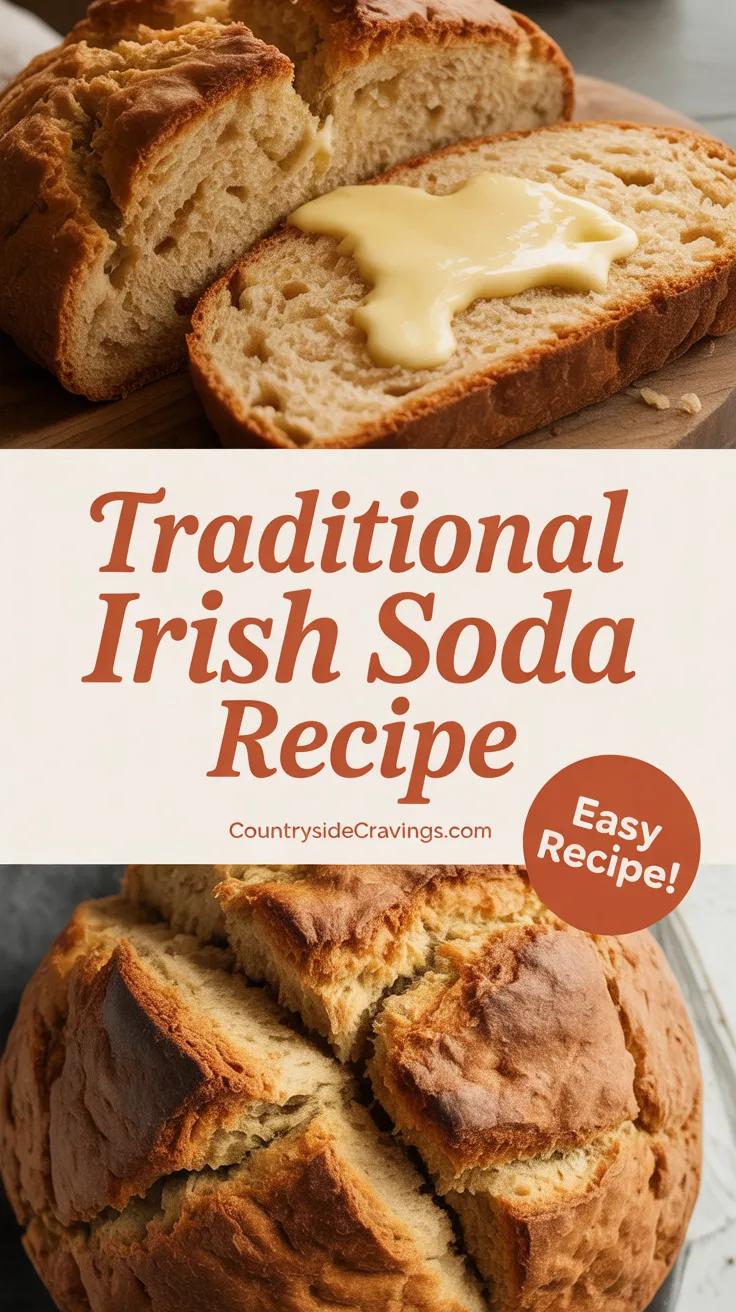
Shape the dough into a round loaf and place it on the prepared baking surface. Use a sharp knife to score a deep “X” on top. This allows steam to escape and ensures even baking.
Step 7: Bake
Bake for 30–35 minutes, until the loaf is golden brown and sounds hollow when tapped on the bottom. If the top browns too quickly, loosely cover with foil.
Step 8: Cool Properly
Transfer the bread to a wire rack and allow it to cool for at least 30 minutes before slicing. This step is crucial for proper crumb structure.
Common Mistakes and How to Avoid Them
Using the Wrong Flour
Self-rising flour already contains leavening agents and salt, which disrupts the balance of the recipe. Always use plain all-purpose flour.
Overmixing the Dough
Mixing too vigorously activates gluten and results in dense bread. Gentle handling is essential.
Incorrect Oven Temperature
A low oven temperature prevents proper rise. Always fully preheat the oven.
Cutting Too Soon
Slicing hot bread releases steam and creates a gummy texture. Patience improves results.
Flavor Variations (Optional and Tasteful)
While classic Irish soda bread is plain, tasteful variations can be added without compromising authenticity:
- Currants or raisins for light sweetness
- Caraway seeds for traditional aroma
- Whole wheat flour (replace up to 25%) for nuttiness
- Oats sprinkled on top for texture
Avoid overloading the dough with heavy add-ins, which can affect rise.
How to Serve Irish Soda Bread
Irish soda bread pairs well with both sweet and savory foods:
- Soft butter and fruit preserves
- Hearty soups and stews
- Cheese boards and spreads
- Breakfast eggs or smoked fish
Its neutral flavor makes it adaptable to many meals.
Storage and Make-Ahead Tips
Storing
Store at room temperature in an airtight container for up to three days.
Freezing
Wrap tightly and freeze for up to three months. Thaw at room temperature.
Reheating
Reheat in a 350°F (175°C) oven for 10–15 minutes to restore the crust.
Nutritional Overview
Irish soda bread is naturally low in sugar and moderate in calories. It provides carbohydrates for energy, small amounts of protein, and minimal fat, especially when made without butter. It fits well into balanced, home-cooked diets.
Frequently Asked Questions
Is Irish soda bread the same as regular bread?
No. It is a quick bread that uses baking soda instead of yeast, resulting in a different texture and flavor.
Can I make it without buttermilk?
Yes. Milk mixed with vinegar or lemon juice works well as a substitute.
Why is my bread dense?
Overmixing, old baking soda, or insufficient oven heat are common causes.
Final Thoughts
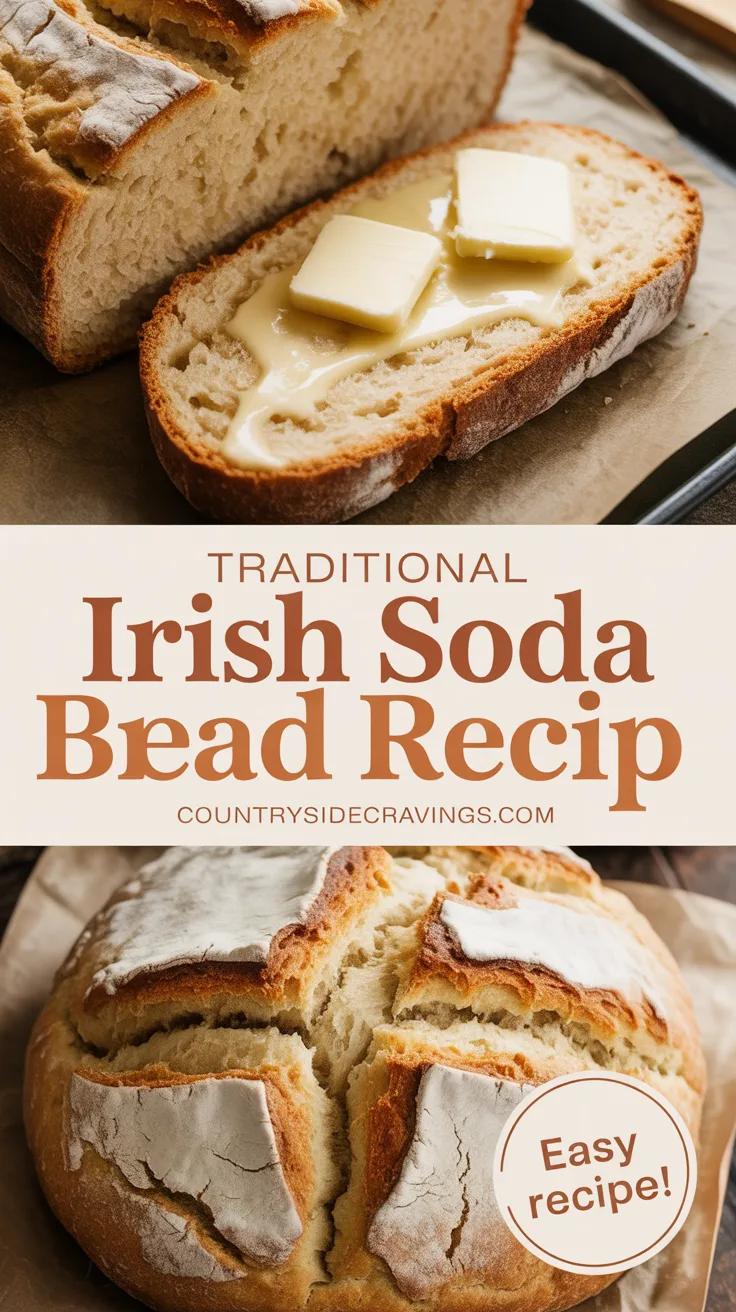
This Easy Irish Soda Bread Recipe proves that great baking does not require complexity. By respecting simple ingredients and proper technique, you can create a loaf that is comforting, reliable, and deeply satisfying. Whether you are baking for your family, guests, or yourself, this recipe delivers consistent results and timeless flavor.
Master this bread once, and it will become a dependable staple in your kitchen for years to come.
