
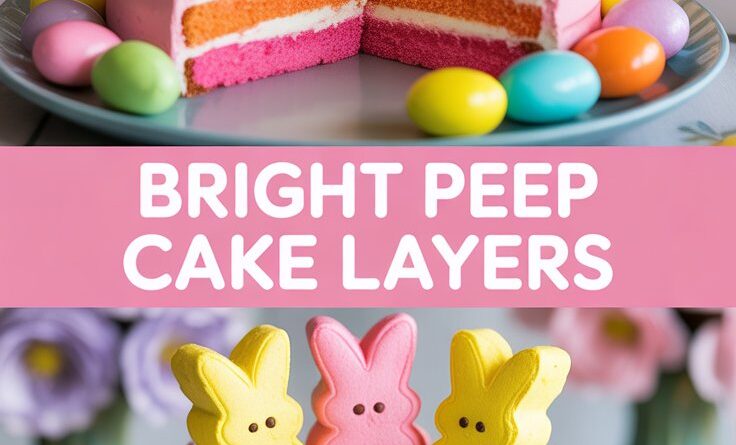
Easter Egg Layer Cake for Easter 2026: A Colorful Cake That Steals the Show
Easter is more than a holiday—it’s a season of renewal, color, celebration, and gathering around the table with people you love. And when it comes to desserts, nothing captures the joy of spring quite like a beautifully layered, pastel-colored Easter Egg Layer Cake. This cake is soft, tender, rich with flavor, and decorated in a way that instantly becomes the star of your Easter table.
If you’ve ever wanted to create a show-stopping Easter dessert that looks professionally made but feels warm and homemade, this complete guide will walk you through everything. From choosing the right ingredients to baking evenly stacked layers, frosting like a pro, decorating with confidence, and storing leftovers properly—you’ll find every detail here.
This is not just a recipe. It’s a full baking guide designed to help you create the best Easter Egg Layer Cake you’ve ever made.
Why This Easter Egg Layer Cake Is Special
Many Easter cakes are simply vanilla cakes with pastel frosting. But this version is thoughtfully designed to balance flavor, texture, stability, and visual beauty.
Here’s what makes it stand out:
- Soft, tender crumb using cake flour for delicate structure
- Perfectly balanced sweetness (not overpowering)
- Stable frosting that holds decorative details
- Vibrant pastel layers that look beautiful when sliced
- Flexible flavor options for customization
- Easy-to-follow instructions suitable for beginners
It delivers both beauty and flavor—because a cake should taste as amazing as it looks.
What Makes an Easter Cake Truly Memorable?
A memorable Easter dessert should:
- Reflect spring colors (pastels, florals, light tones)
- Feel festive but not overly heavy
- Be soft and moist
- Slice cleanly into defined layers
- Appeal to both children and adults
The Easter Egg Layer Cake checks all those boxes.
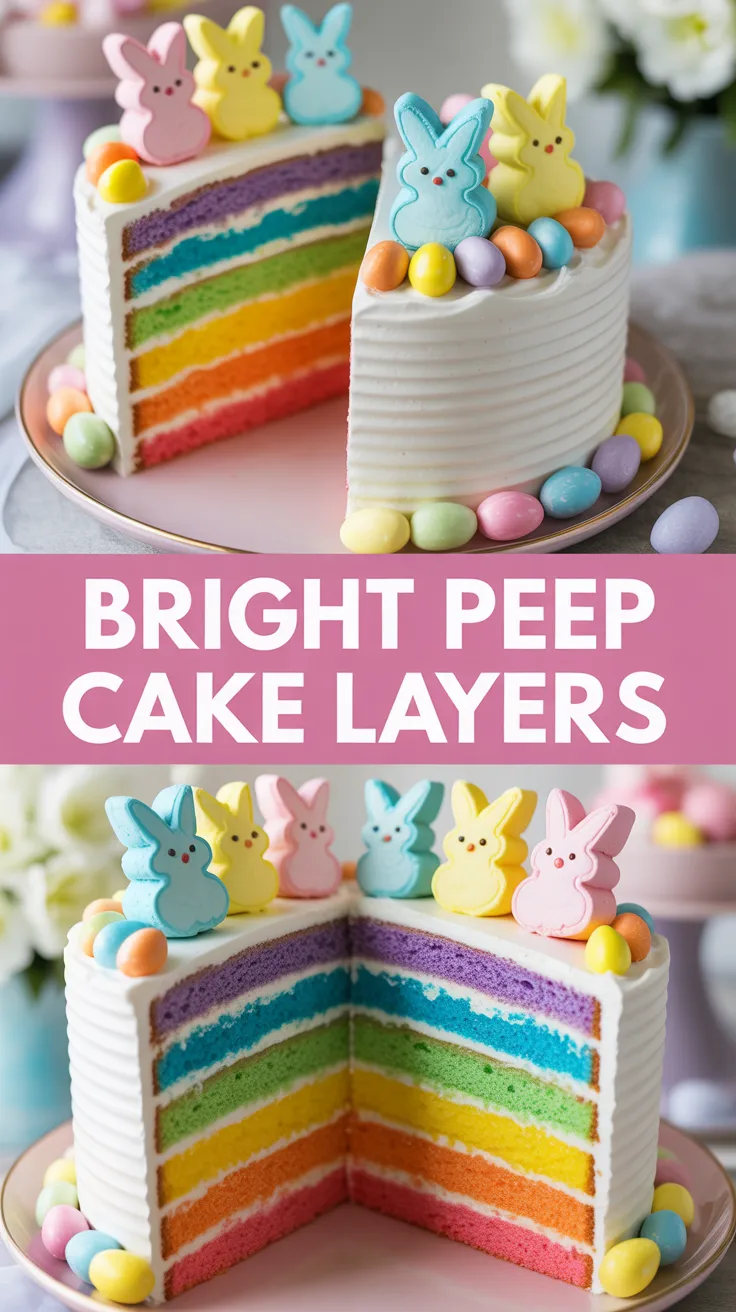
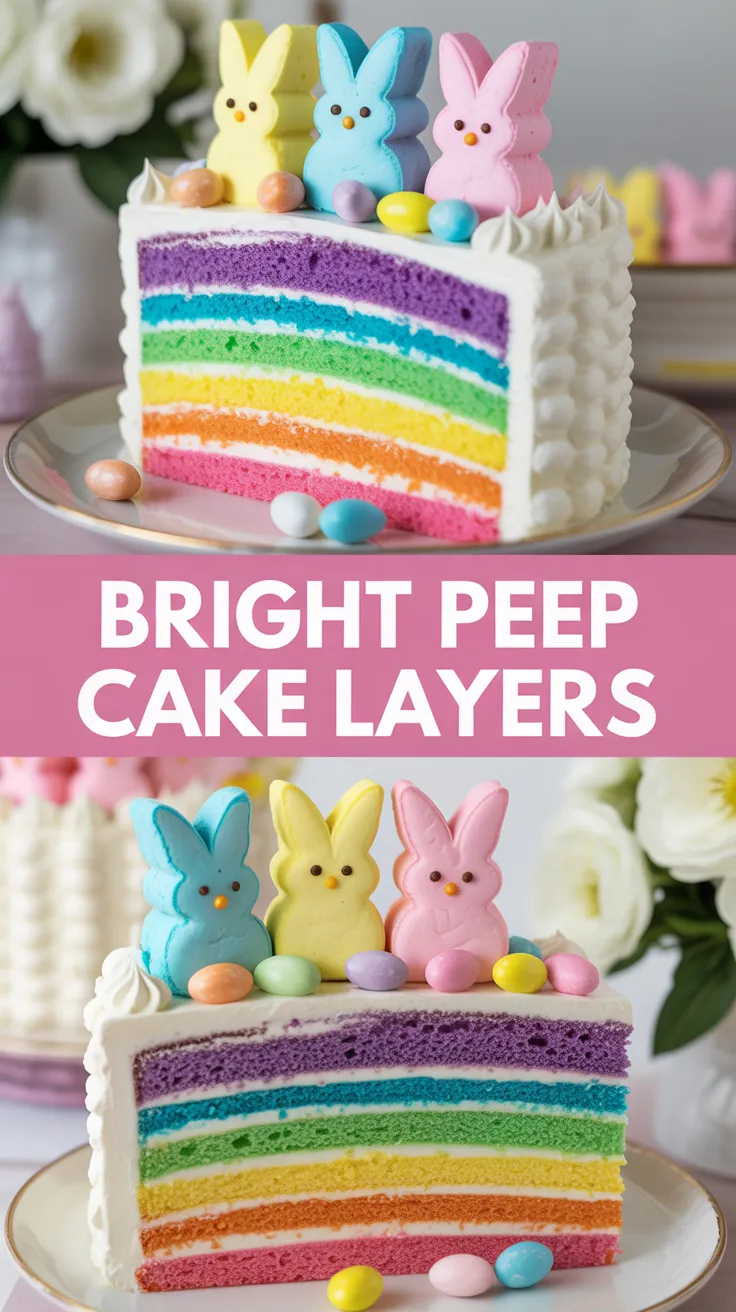
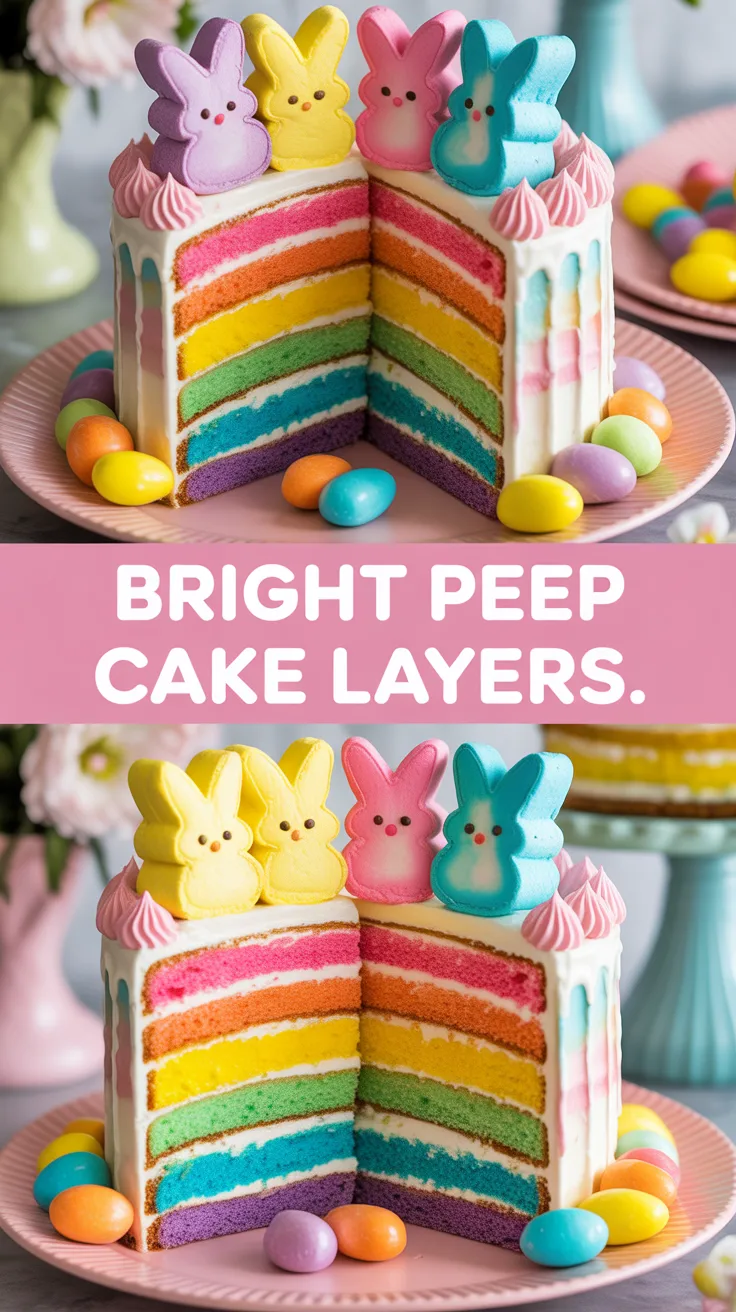
When you cut into it, the colorful layers reveal themselves like hidden Easter eggs. It brings excitement to the table before anyone even takes a bite.
Ingredients for the Perfect Easter Egg Layer Cake
Let’s start with the essentials. Quality ingredients matter, especially for a layered cake.
For the Cake Layers
- 2 ½ cups cake flour
- 2 ½ teaspoons baking powder
- 1 ½ cups granulated sugar
- ¾ cup unsalted butter, softened to room temperature
- 5 large eggs, room temperature
- 1 tablespoon pure vanilla extract
- 1 cup whole milk, room temperature
- Pastel gel food coloring (pink, yellow, blue, or any spring shades)
For the Frosting
- 1 cup unsalted butter, softened
- 4 cups powdered sugar, sifted
- 1 cup heavy cream, chilled
- 1 teaspoon vanilla extract
Optional decorations:
- Chocolate mini eggs
- Pastel sprinkles
- Edible flowers
- Shredded coconut (for a nest effect)
Why Cake Flour Is Important
Cake flour contains less protein than all-purpose flour. That lower protein level means:
- Softer texture
- Lighter crumb
- More delicate bite
If you substitute all-purpose flour, the cake may turn slightly denser. While it will still work, cake flour truly elevates the texture.
Step-by-Step Instructions
Let’s walk through the process carefully so your cake turns out beautifully every time.
Step 1: Prepare Your Baking Equipment
Preheat your oven to 350°F (175°C).
Grease three 8-inch round cake pans. Line the bottoms with parchment paper for easy removal.
Pro tip: Lightly flour the pans after greasing to prevent sticking.
Step 2: Cream Butter and Sugar Properly
In a large mixing bowl, beat the softened butter until smooth. Add the sugar gradually and beat until the mixture becomes pale and fluffy.
This step is essential. Proper creaming incorporates air, which helps create a light cake texture.
Mix for at least 3–4 minutes.
Step 3: Add Eggs One at a Time
Add eggs individually, mixing well after each addition. This ensures proper emulsification.
If the mixture looks slightly curdled, don’t panic. It will smooth out once dry ingredients are added.
Step 4: Combine Dry Ingredients
In a separate bowl, whisk together:
- Cake flour
- Baking powder
Whisking evenly distributes the leavening agent.
Step 5: Alternate Dry Ingredients and Milk
Add the dry mixture in three additions, alternating with milk.
Start and end with dry ingredients.
Mix gently. Do not overmix—this prevents a tough cake texture.
Step 6: Divide and Color the Batter
Divide the batter evenly into three bowls.
Add pastel gel food coloring to each bowl. Use a small amount at first. Gel coloring provides vibrant color without thinning the batter.
Stir gently until evenly colored.
Step 7: Bake the Layers
Pour each colored batter into prepared pans.
Bake for approximately 23–25 minutes, or until a toothpick inserted in the center comes out clean.
Do not open the oven early—this may cause sinking.
Step 8: Cooling the Layers Properly
Allow cakes to cool in pans for 10 minutes.
Then transfer to wire racks to cool completely.
Never frost a warm cake. It will melt the frosting.
Making the Perfect Frosting
A good layer cake needs stable, smooth frosting.
Step 1: Beat the Butter
Beat softened butter until creamy and pale.
Step 2: Add Powdered Sugar Gradually
Add powdered sugar one cup at a time.
Beat on low speed first to avoid mess, then increase speed.
Step 3: Add Heavy Cream and Vanilla
Slowly add chilled heavy cream and vanilla extract.
Beat until fluffy and smooth.
Adjust consistency:
- Too thick? Add 1 tablespoon cream.
- Too thin? Add more powdered sugar.
Assembling the Easter Egg Layer Cake
Level each layer with a serrated knife if needed.
Place the first layer on a cake board or plate.
Spread frosting evenly.
Add the second layer and repeat.
Place the final layer upside down for a flat top.
Apply a thin crumb coat (light layer of frosting). Chill for 20 minutes.
Then apply the final frosting layer smoothly.
Decorating Your Easter Egg Cake
This is where creativity shines.
Classic Easter Look
- Top with chocolate eggs
- Add pastel sprinkles
- Pipe soft swirls around edges
Spring Garden Theme
- Add edible flowers
- Use green-tinted coconut for grass
- Place candy eggs in the “nest”
Ombre Frosting Style
Tint frosting in three shades and blend upward for a gradient effect.
Keep decorations elegant. Too much can overwhelm the design.
Flavor Variations
One of the best parts of this cake is flexibility.
Lemon Easter Cake
Add:
- 2 tablespoons lemon zest
- Replace some milk with fresh lemon juice
Almond Vanilla
Add:
- ½ teaspoon almond extract
Chocolate Version
Replace ½ cup flour with cocoa powder.
Troubleshooting Common Problems
Cake Is Dry
Possible causes:
- Overbaking
- Too much flour
- Oven temperature too high
Solution:
Use an oven thermometer for accuracy.
Cake Layers Sank in the Middle
Possible causes:
- Opening oven too early
- Underbaking
- Too much liquid
Frosting Too Runny
- Butter too warm
- Too much cream
Chill for 15 minutes and beat again.
Make-Ahead Tips
You can bake layers 2 days in advance.
Wrap tightly in plastic wrap and store at room temperature.
You can also freeze layers for up to 2 months.
Thaw overnight before frosting.
Storage Guide
Store cake in an airtight container.
Refrigerate for up to 5 days.
Let slices sit at room temperature 20 minutes before serving.
For freezing slices:
- Wrap individually
- Store in freezer-safe bags
- Freeze up to 3 months
Nutrition Overview (Per Slice Approximate)
- Calories: 320
- Sugar: 28g
- Fat: 14g
- Carbohydrates: 43g
- Protein: 3g
Values may vary depending on decoration and portion size.
How to Serve Easter Egg Layer Cake
This cake pairs beautifully with:
- Fresh berries
- Light whipped cream
- Hot coffee
- Iced tea
- Sparkling lemonade
Serve chilled or slightly softened for best texture.
Why This Cake Is Perfect for Easter Gatherings
- Bright spring colors
- Kid-friendly design
- Crowd-pleasing flavor
- Photogenic centerpiece
- Customizable decorations
It creates excitement when sliced and makes your table look festive instantly.
Expert Baking Tips for Professional Results
- Always use room temperature ingredients.
- Weigh flour if possible for accuracy.
- Use gel food coloring, not liquid.
- Chill cake before final frosting layer.
- Clean knife between slices for perfect presentation.
Frequently Asked Questions
Can I make this cake gluten-free?
Yes. Use a high-quality 1:1 gluten-free baking blend. Texture may be slightly different but still delicious.
Can I use different pan sizes?
Yes. Adjust baking time accordingly. Smaller pans need longer baking.
Can I turn this into cupcakes?
Absolutely. Bake for 18–20 minutes.
What frosting works best?
Buttercream is most stable, but cream cheese frosting also pairs beautifully.
Final Thoughts
The Easter Egg Layer Cake is more than just dessert—it’s a celebration of spring, color, and togetherness. With its tender crumb, creamy frosting, and playful pastel layers, it brings joy to every table.
When you take the time to bake something from scratch, especially for a holiday like Easter, it becomes more than food. It becomes a memory.
This guide gives you everything you need to bake confidently—from ingredients and techniques to decoration and storage.
Now it’s your turn.
Preheat your oven. Gather your ingredients. And create a cake that will make this Easter unforgettable.
