
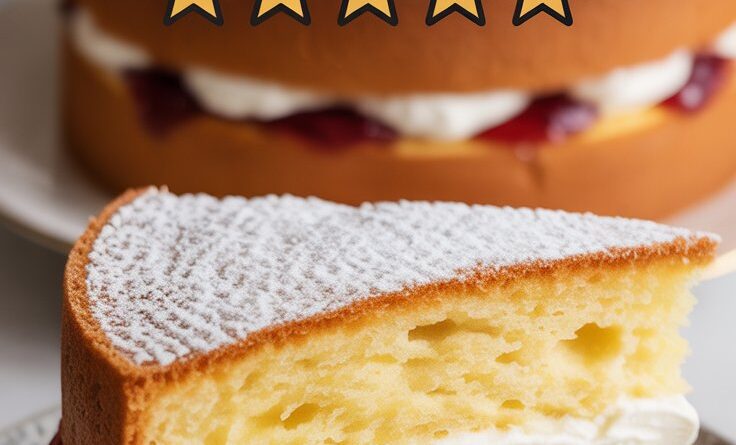
Best Easy Victoria Sponge Cake Recipe with Cream and Jam 2026
The Victoria Sponge Cake is one of the most beloved and timeless desserts in British baking history. Known for its light texture, delicate crumb, and elegant simplicity, this cake has remained popular for generations—and for good reason. Whether you are a beginner baker or someone with years of experience, this easy Victoria sponge cake recipe offers dependable results every single time.
What makes a Victoria sponge cake truly special is not complexity, but balance. Two soft sponge layers come together with a generous filling of whipped cream and fruit jam, creating a dessert that feels luxurious without being heavy. This cake is perfect for afternoon tea, family gatherings, birthdays, or even a quiet weekend treat at home.
In this comprehensive guide, you will learn everything you need to know about making the perfect Victoria sponge cake from scratch. From understanding ingredients and techniques to avoiding common mistakes and storing your cake properly, this article is designed to be the most complete and beginner-friendly resource available online.
Why This Easy Victoria Sponge Cake Recipe Works
This recipe has been carefully structured to deliver consistent results without unnecessary steps or complicated methods. Many sponge cake recipes fail because they rely on vague instructions or advanced techniques. This guide simplifies everything while maintaining professional standards.
Key Reasons You’ll Love This Recipe
- Beginner-Friendly: No advanced baking skills required
- Quick Preparation: Ready in under one hour
- Minimal Ingredients: Pantry staples only
- Light & Airy Texture: Soft crumb without dryness
- Versatile Filling Options: Jam, cream, or fresh fruit
- Perfect for Any Occasion: Casual or formal events
Unlike dense or overly sweet cakes, the Victoria sponge focuses on clean flavor and soft texture, making it suitable for all age groups.
A Brief History of Victoria Sponge Cake
The Victoria sponge cake is named after Queen Victoria, who was known to enjoy a slice of sponge cake with her afternoon tea. During the Victorian era, baking powder became widely available, allowing cakes to rise more easily without yeast. This innovation led to lighter sponge cakes, which quickly became fashionable.
Traditionally, the cake consisted of:
- Two sponge layers
- Raspberry jam filling
- A light dusting of powdered sugar on top
Over time, whipped cream and fresh strawberries were added, making the modern version richer yet still elegant.
Ingredients for a Classic Victoria Sponge Cake
Using the right ingredients is crucial for achieving a soft and airy sponge. Each component plays a specific role in texture and flavor.
Essential Ingredients
All-Purpose Flour
Provides structure to the cake. Always sift it to prevent lumps and ensure an even crumb.
Granulated Sugar
Sweetens the cake and helps create a light texture when creamed with butter.
Unsalted Butter (Softened)
Adds richness and moisture. Unsalted butter allows better control over flavor.
Eggs (Room Temperature)
Bind ingredients together and help the cake rise properly.
Baking Powder
Acts as a leavening agent, giving the sponge its signature lift.
Vanilla Extract
Enhances overall flavor without overpowering the cake.
Heavy Cream (For Filling)
Creates a smooth and rich filling when whipped.
Fruit Jam or Fresh Strawberries
Adds freshness and balances sweetness.
Ingredient Measurements (Standard Size Cake)
- 200g all-purpose flour
- 200g granulated sugar
- 200g unsalted butter (softened)
- 4 large eggs (room temperature)
- 1 teaspoon baking powder
- 1 teaspoon vanilla extract
- 300ml heavy cream (for whipping)
- Raspberry or strawberry jam (as needed)
Kitchen Tools You’ll Need
- Two 8-inch round cake pans
- Electric mixer or hand whisk
- Mixing bowls
- Spatula
- Parchment paper
- Wire cooling rack
Step-by-Step Instructions: How to Make Victoria Sponge Cake
Step 1: Prepare Your Oven and Pans
Preheat your oven to 350°F (175°C).
Grease two round cake pans and line the bottoms with parchment paper. This ensures easy release after baking.
Step 2: Sift and Mix Dry Ingredients
In a clean bowl, sift together:
- Flour
- Baking powder
- A small pinch of salt
Sifting improves texture and prevents dense patches in the sponge.
Step 3: Cream Butter and Sugar Properly
In a separate bowl, beat the softened butter and sugar together until the mixture becomes:
- Pale in color
- Light and fluffy
- Smooth in texture
This step is essential because it incorporates air into the batter, giving the cake its soft structure.
Step 4: Add Eggs Gradually
Add eggs one at a time, mixing gently after each addition.
This prevents curdling and ensures even distribution.
Add vanilla extract at this stage for consistent flavor.
Step 5: Combine Wet and Dry Ingredients
Fold the dry ingredients into the butter mixture gently.
Avoid overmixing, as this can deflate the batter and result in a dense cake.
Step 6: Divide and Bake
Divide the batter evenly between the prepared pans.
Bake for 22–25 minutes, or until:
- The tops are golden
- A toothpick inserted comes out clean
Step 7: Cooling the Cakes
Allow cakes to cool in the pans for 10 minutes, then transfer them to a wire rack.
Cooling fully before filling is critical to prevent melting the cream.
Assembling the Victoria Sponge Cake
- Place one sponge layer on a serving plate
- Spread an even layer of jam
- Add whipped cream on top
- Place the second sponge layer gently
- Dust with powdered sugar if desired
Common Mistakes to Avoid
Overmixing the Batter
This leads to a tough and dense sponge. Always fold gently.
Incorrect Oven Temperature
Too hot causes uneven baking; too cool prevents rising.
Cold Ingredients
Room-temperature ingredients blend better and create a smoother batter.
Skipping Cooling Time
Warm cakes cause fillings to melt and slide.
Flavor Variations You Can Try
- Lemon zest for citrus freshness
- Chocolate sponge version
- Strawberry-only filling
- Dairy-free whipped topping
How to Serve Victoria Sponge Cake
- With fresh berries
- Alongside tea or coffee
- Lightly dusted with icing sugar
Make-Ahead, Storage & Freezing Tips
Make Ahead
Bake sponge layers up to 2 days in advance.
Storage
Store in an airtight container at room temperature for up to 3 days.
Freezing
Freeze unfrosted sponge layers for up to 3 months.
Frequently Asked Questions (FAQs)
What makes a perfect Victoria sponge cake?
A perfect sponge is light, evenly baked, and balanced with gentle sweetness and soft texture.
Can I freeze Victoria sponge cake?
Yes, freeze sponge layers without cream for best results.
Which jam works best?
Raspberry jam is traditional, but strawberry works beautifully.
Conclusion
The Easy Victoria Sponge Cake Recipe is proof that simple ingredients and thoughtful technique can create extraordinary results. This cake is light, elegant, and endlessly adaptable, making it one of the most reliable desserts you can master. By following this guide carefully and avoiding common mistakes, you’ll achieve a bakery-quality sponge cake every time—without stress or unnecessary complexity.
